Lobster Pot Campaign
A campaign for Visible, Safe Static Fishing Gear: Marked Gear = Safe Gear
Marked Gear = Safe Gear
Safety at sea is a shared responsibility, and everyone using our waters has a role to play. Yet poorly marked static fishing gear, particularly unmarked or inadequately marked lobster pots and creels, continues to pose a serious and avoidable hazard.
These obstacles are often difficult to see until it is too late, creating real risks to navigation, damaging vessels, and in some cases putting lives in danger.
Most fishermen follow the Maritime and Coastguard Agency (MCA) voluntary guidance first issued in 2008. However, inconsistent compliance under voluntary guidance leaves dangerous gaps. The persistence of these hazards makes it clear that voluntary measures alone are not enough.
Since 2020, legislation has existed in Scotland making it illegal to mark creels with anything other than a dedicated buoy.
Marked Gear = Safe Gear is the Cruising Association community campaign to address the growing safety risk posed by poorly marked static fishing gear. The CA is calling for existing MCA voluntary guidance on gear marking to be made mandatory and enforceable.
Tom Cunliffe Explains
What is the Problem?
Unmarked lobster pots and static fishing gear present a growing hazard. Poorly marked gear can lead to:
- Safety risks, especially in poor visibility or heavy weather
- Fouled propellers and rudders
- Vessel damage and costly repairs
The Lobster Pot Campaign addresses the issue constructively working with the fishing community.
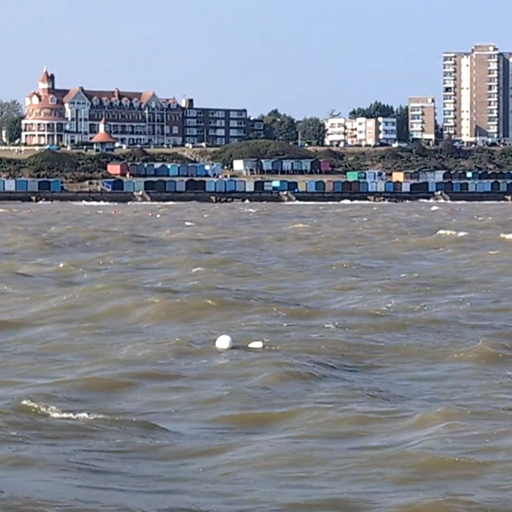
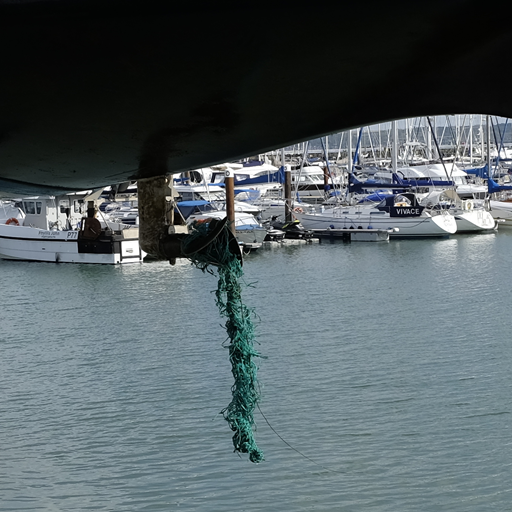
Image: © Robert Falk
About The Campaign
The Lobster Pot Campaign manifesto sets out to raise awareness of the risks posed by poorly marked static fishing gear. We will publish incident data, work constructively with both fishing and boating communities, and advocate for enforceable Government regulation of poorly marked static fishing gear. The Campaign is supported by our Alliance partners.
How You Can Help
Reducing the risks posed by poorly marked static fishing gear depends on everyone who uses the sea. From reporting incidents and sharing experiences to promoting awareness and improving navigation, there are simple but powerful ways to help. Discover how sailors, organisations, and the wider marine sector can support the campaign.
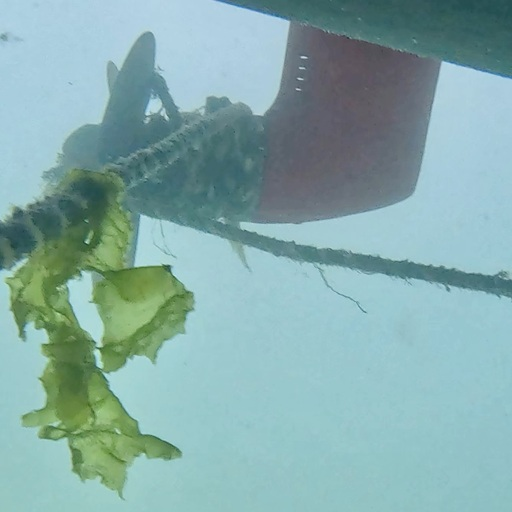
Image: © Tim Crump
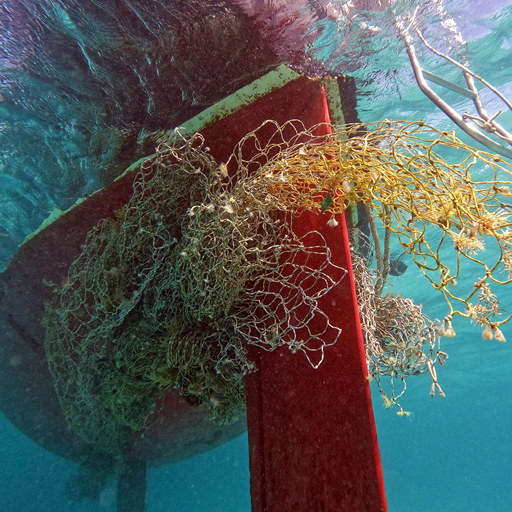
Image: © Kirsten Jones / Yachting Monthly
Entanglement Advice
Read the CA’s Regulatory & Technical Services (RATS) Group advice which consider how to avoid entanglement and looks at strategies that can be adopted to free a boat which is caught by:
- Lines attached to the seabed
- Drifting lines and flotsam
Case Studies
These case studies share first-hand experiences from the water, bringing the issue to life and illustrating the real impact of poorly marked or unmarked static fishing gear—from near-misses to serious incidents.
Have you experienced an incident or close call? Submit your case study to help build a clearer picture of the risks and support the case for change.
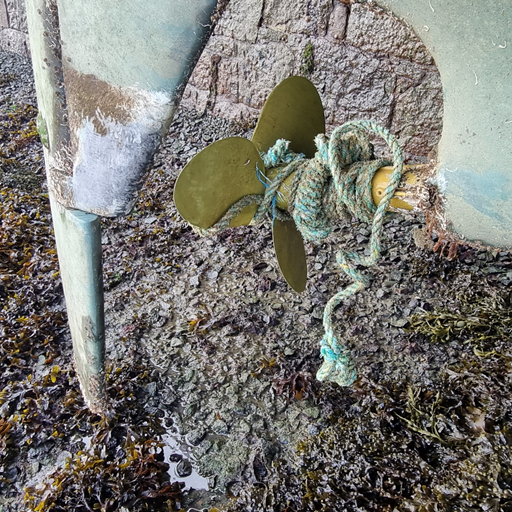
Image: © Ian Randall
Become a Lobster Pot Campaign Supporter
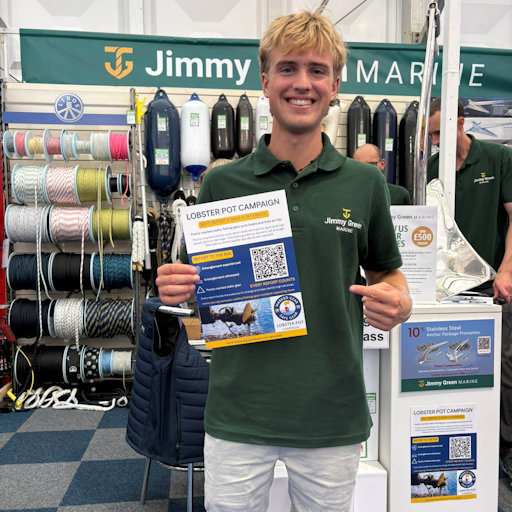
Marine organisations, businesses, clubs, owner associations and sailing personalities are coming together to support the Lobster Pot Campaign and help raise awareness of the dangers posed by poorly marked static fishing gear.
Discover who is backing the campaign, how you can become a supporter, and how reporting incidents and sharing free campaign materials can help make a difference.
Lobster Pot Campaign Alliance Partners
The Cruising Association is proud to be working with our Alliance Partners who actively help shape and deliver the campaign: The Royal Institute of Navigation (RIN), Practical Boat Owner, Yachting Monthly and the Westerly Owners’ Association (WOA).



Support the Campaign
We hope the Lobster Pot Campaign will be supported by a network of organisations across the marine sector, including boating groups, events, industry, safety organisations, and fishing representatives.
Safer waters depend on all of us. Join the Lobster Pot Campaign and be part of the solution.


