
What do you do with your old sails? Dump them in the bin, leave them in your sail locker in case they come in handy, or ask your sailmaker to get rid of them? As part of an initiative by the CA’s Regulatory & Technical Services Group (RATS) initiative on greener thinking, CA member Tania Nieveen looks at better options.
In this age of environmental consciousness, it has become harder for many of us just to throw things away. Having separated rubbish into its appropriate bins, sold or given away clothes and household items and turned autumn leaf-fall into useful mulch in the garden, our minds turn to other things that have less obvious, new leases of life.
So what do you do with your old sails?
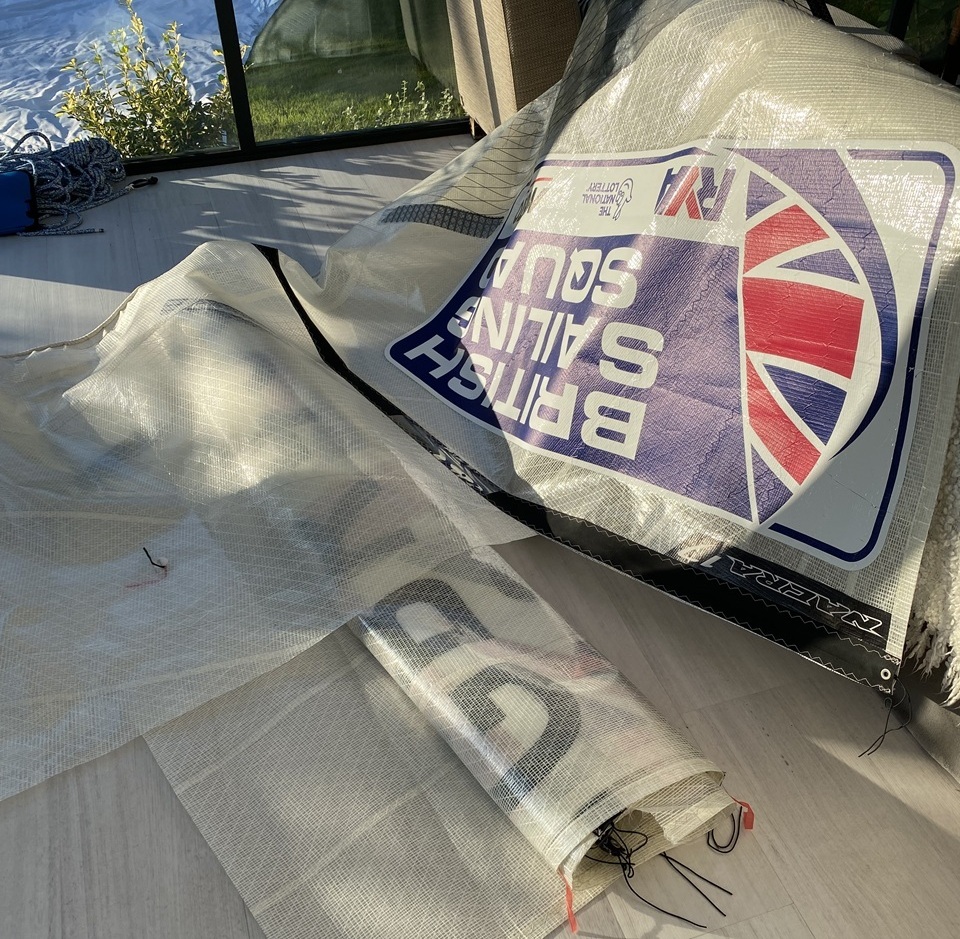
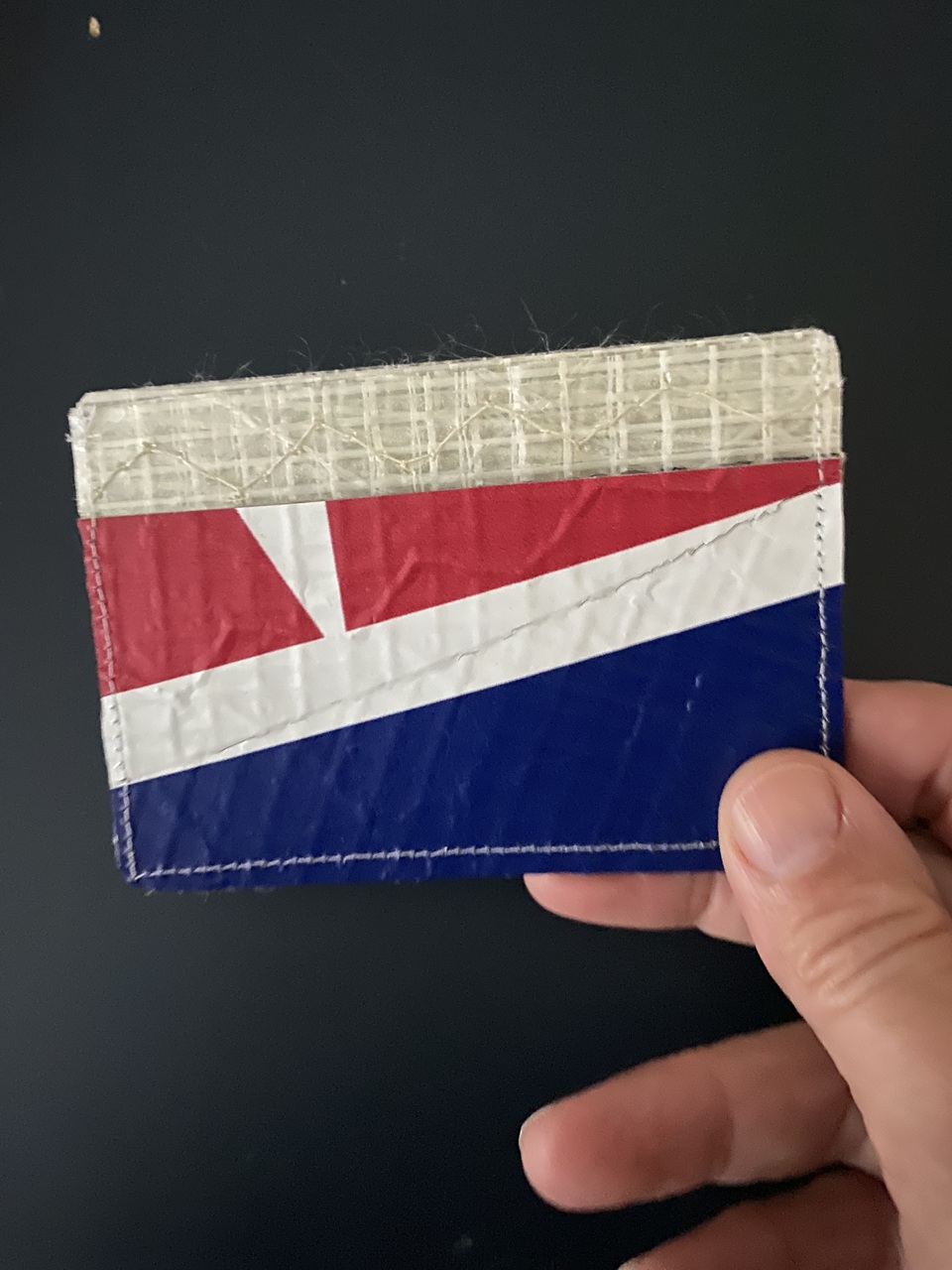
A few years ago, with some degree of success, I made some cushions for our boat from off-cut sail cloth and end of rolls from friends in the industry. I went on to make a few more for friends and family until my supply of cloth dried up, then... I came into possession of a written-off Nacra mainsail, branded with RYA British Sailing team and Union Flags. This became a project of creativity and sentiment.
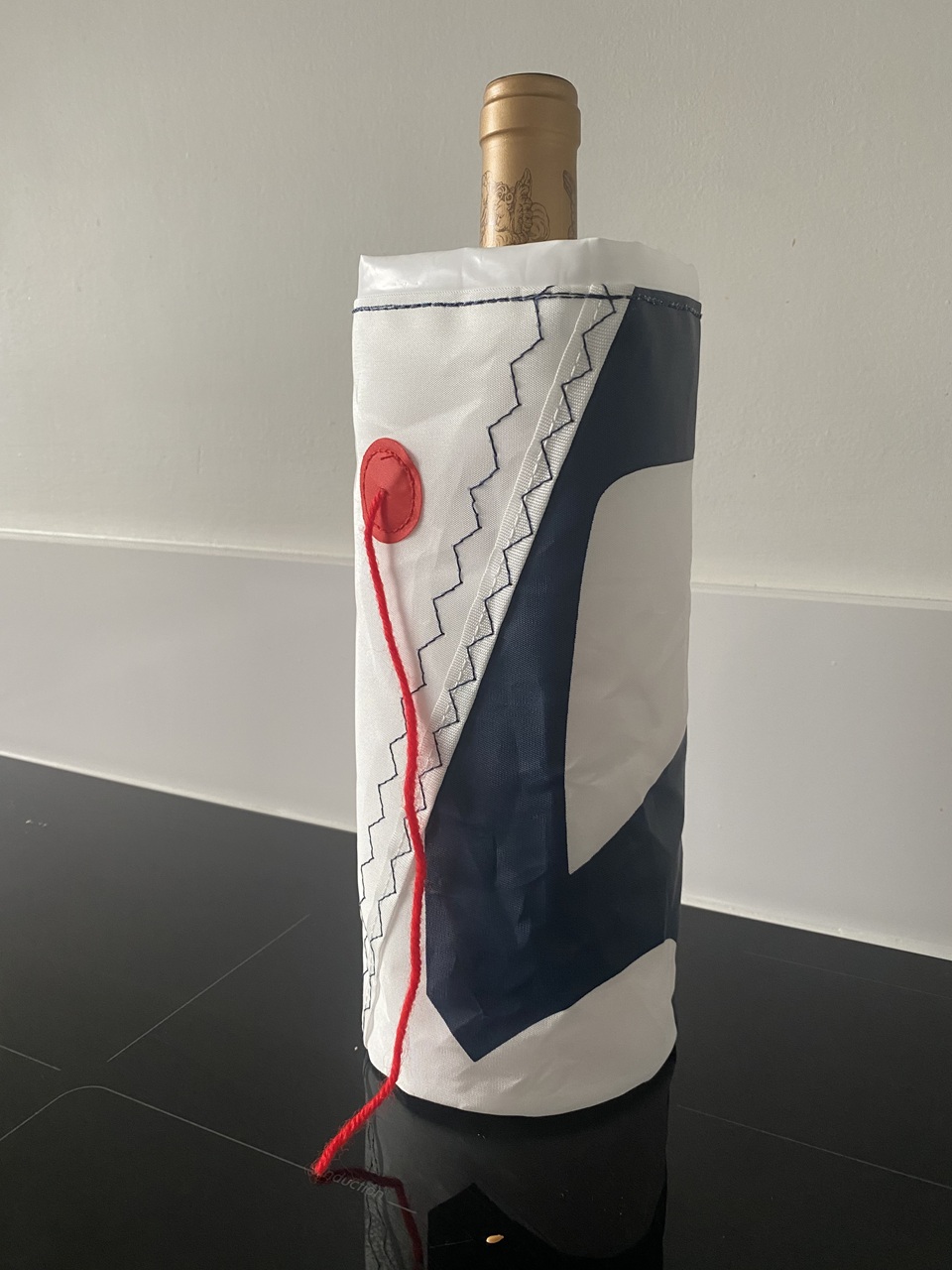
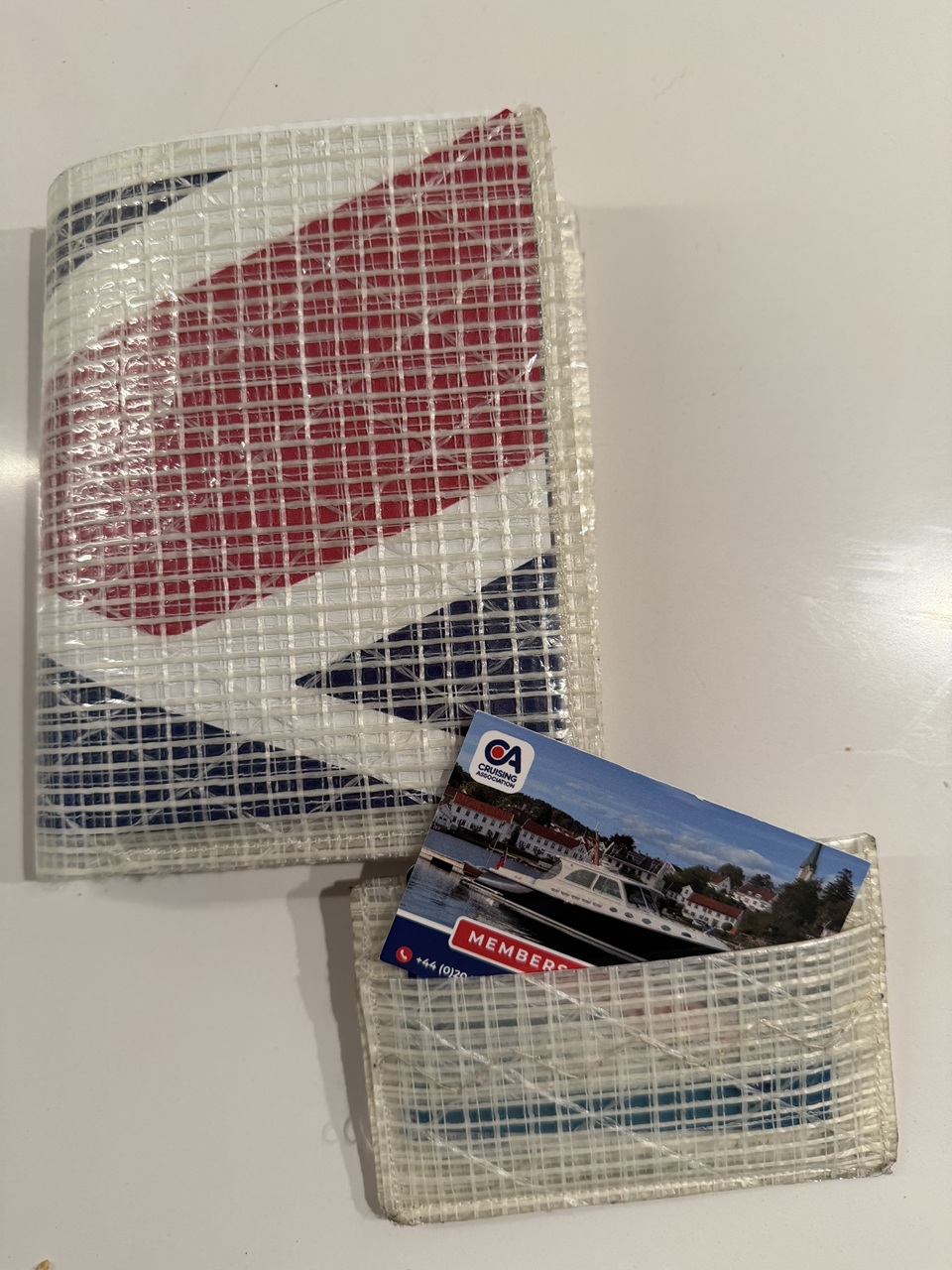
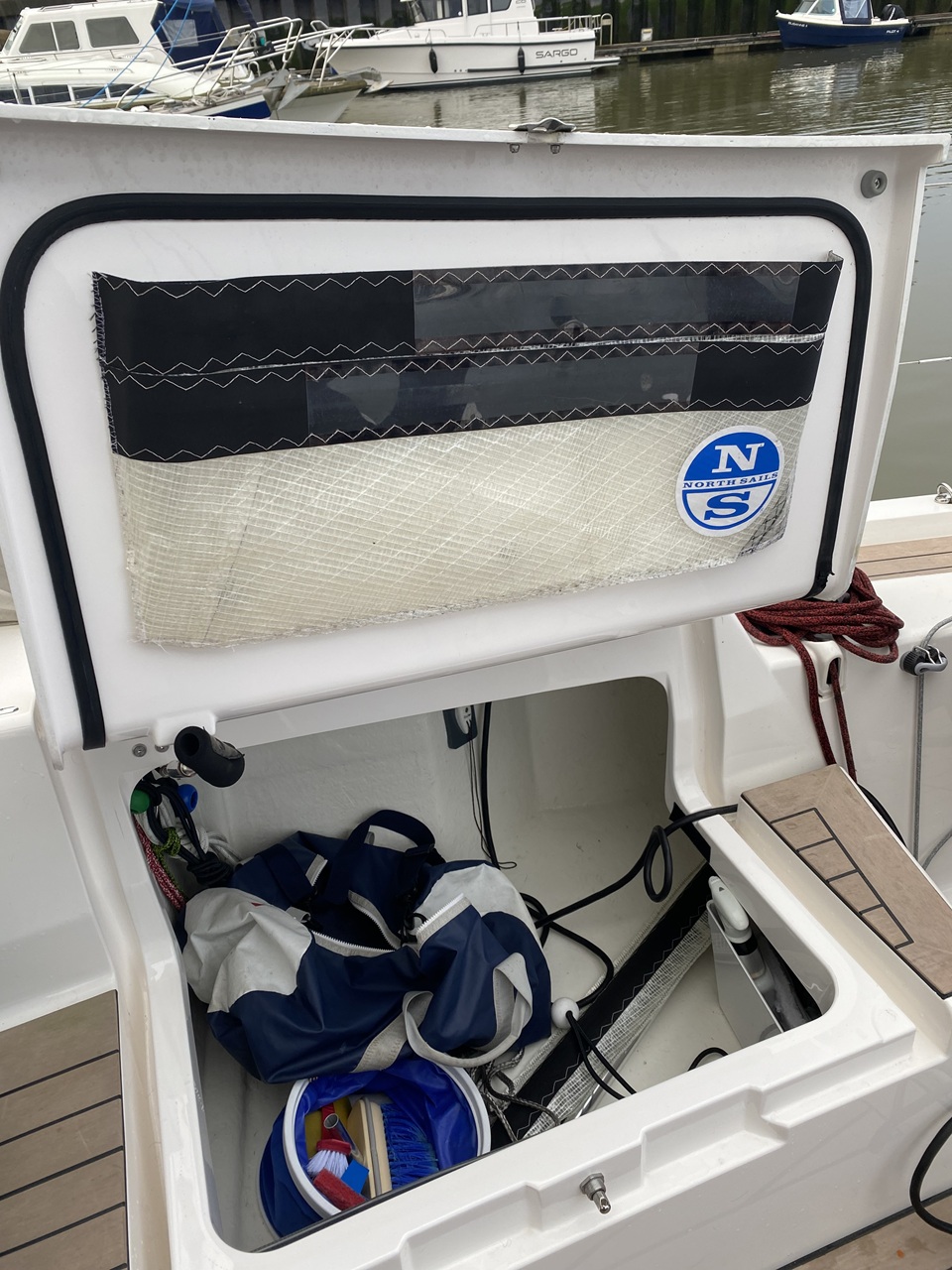
The production line was endless! In fact, just what couldn’t I make out of sailcloth? I made a cover for our fold-away cockpit table, cockpit locker pockets for our instrument covers and even a cover for our emergency tiller. As Christmas approached, production turned to presents; more cushions, wallets, passport holders, wine coolers and beach and kit bags. The only thing stopping the creative flow was time and resources! Before I knew it, I was given an RS200 jib...
As I gathered information for this article, I realised that I am by no means the only one who does this. A few of my friends have surprised me, proudly showing me their kit bags created on sailmaking courses, and others have had a go at their own projects after hearing about mine!
Sail upcyclers
Becky Walford, who works for King’s Harbourmaster at Portsmouth, started making things out of old sails and bags a few years ago and became so prolific that she now sells them, donating all proceeds to the Gosport and Fareham Inshore Rescue Service (GAFIRS).
Lawrie Draper made himself a great kit bag during his sailmaking course at the Boat Building Academy and Furniture School (Lyme Regis).
Sailing Red Seas bloggers made contact with the CA to let us know they are making line and rope bags and fuel can covers from their retired sails as they sail around the globe.
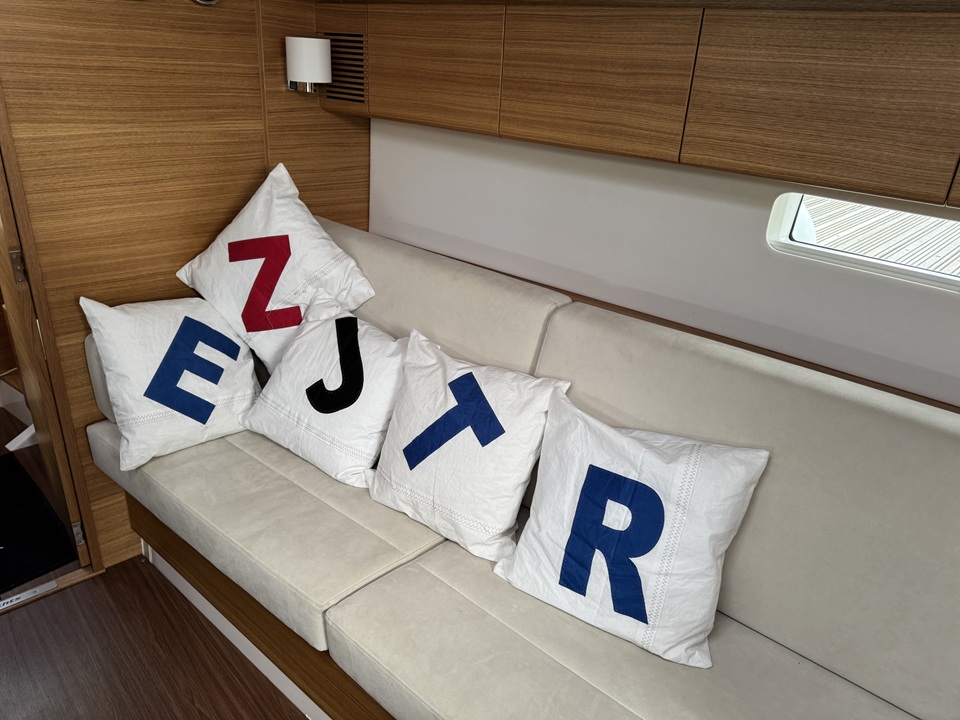
This upcycling of sails is, after all, not a new art invented by myself. My first cushions were inspired by Quba & Co, who started 30 years ago, originally making unique jackets out of reclaimed canvas sailcloth. They went on to make a successful business which now includes sailcloth inspired bags, clothing and homewares. Personally, I have always coveted a Quba bean bag to remind me of sailing days to snuggle into at home on a wet winter evening.
There is certainly an appetite for these products. Perhaps they appeal to sailing and cruising people who like to have things to wear and have at home (and onboard) to remind them of their passion. I think the seaside theme penetrates further, as people who holiday by the sea like to take home reminders of their time with a seaside vibe.
Following Quba, many companies make things out of sailcloth or sailcloth-inspired fabric. The Etsy site is full of small businesses that make and sell off-the-shelf and bespoke items.
Sandy Point Watersports at Hayling Island Sailing Club collect old sails and actively engage their shop staff in making a range of bags which they sell and can make to order. This is such a fabulous way to keep people in the shop busy in quiet periods, while reusing sailcloth and making some income for the shop – a big win-win! One happy sailing family customer, Caroline Hall, said “My tote bag is lightweight and useful for summer – holds all the suncream and water bottles – no problem with leakage, as they are waterproof and washable.”
Other companies have been set up to collect and re-distribute old sails, including Resail by Clean Sailors, providing a platform and locations for sailors to donate and drop-off old, used sails, working with a range of partners across the world to help them to do just this. Sail to Shelter’s mission is to transform elite and superyacht sails into shelter for humanitarian aid.
Sailmakers
So, what about the sailcloth industry? What are they doing?
- Sanders Sails in Lymington hope to inspire and become part of a bigger movement to repurpose “once loved” sails into fabulous new creations such as bags, windbreaks, cushions, awnings, and more. Their aim is to keep these sails, which are no longer needed out of landfill. Having a dedicated Upcycling Sail Drop-Off area at their sail loft in Lymington, makes it easy for people to drop off their sails and for business, charities and individuals to collect and repurpose them into amazing new items. Working with ReSail by Clean Sailors, Sanders strive to push the drive to recycle as much as possible.
- Alistair Shires at Contender Sailcloth UK is working towards better use of waste fabric. Currently some is collected for local projects at schools and all spinnaker fabric off-cuts go to local groups for making bunting and other craft projects.

Tools and practicalities
- It is possible to use a standard sewing machine. Choose a thick needle. Denim needles are good.
- Do wear eye protection. Broken needles are not uncommon.
- Choose polyester thread: it is less likely to rot, degrade in UV or break.
- Beware of glued-on letters or numbers; they are good for holding things in place while you stitch but make the needles sticky. It helps to wipe the needle regularly with acetone while sewing (nail varnish remover works) to keep the needle from jamming.
Design tips
- Use a zig-zag stitch. It looks like stitching on sails.
- Don’t be afraid to have seams on show. They are part of the design.
- Enjoy the natural structures of the sail and incorporate them into your design. For example, batten pockets, tell tales, logos, webbings, eyelets etc; they look cool and increase the authenticity of the product.
- Don’t get too hung up about perfection. These items are meant to look hand-made and used, adding charm to the product.
Suppliers
- Sandy Point Watersports (Hayling Island) team@sandypointwatersports.com +44 (0) 7944 222048
- Boat Building Academy and Furniture School (Lyme Regis) www.boatbuildingacademy.com
- Sanders Sails (Paula) offers upcycling sail drop-off, and a number of upcycling projects: sanders-sails.co.uk/sustainabilitysanders-sails.co.uk/sustainability or info@sanders-sails.co.uk +44 (0) 1590 673981
- Resail by Clean Sailors lists drop-off points worldwide where your sails can be recycled resailbycleansailors.com
- Sail 2 shelter sailtoshelter.org (post-storm project in Maui using sails)
- Jetty Dog (USA) sail coats for dogs jettydog.com/pages/sail-coats
- Sea Bags (USA) bags made of old sails seabags.com
About Tania
Having joined the CA in 2023, Tania Nieveen became a volunteer with the CA's Regulatory & Technical Services Group (RATS) in September 2024. Find out more about Tania in her Volunteer Spotlight feature, where she talks about her involvement with the CA and RATS.
 About RATS
RATS - the CA's Regulatory & Technical Services Group – plays a crucial role in helping sailors understand and navigate the regulatory and technical challenges that affect their cruising. RATS carries out research, monitors political trends and engages with international, national, industry and government bodies, many of whom regularly seek the CA’s input.
On the technical side, RATS covers a wide range of issues including navigation, safety at sea, communications and sustainability. RATS shares its knowledge through policy papers, articles in Cruising magazine and the CA website. Current topics include EU departure impacts, Schengen rules, VAT, orca, lithium batteries, travelling with pets and lobster pot entanglement. CA members can submit questions directly to RATS
CA Volunteers
At the heart of the Cruising Association lies an incredible force - our volunteers. Their dedication, passion and hard work are the backbone of the CA. If you're a member and have a few spare hours or days and would like to get involved, your skills and enthusiasm could make a real difference.
