Lobster pots need to be properly marked: Sailors support the CA Lobster Pot campaign
- Updated by Ann MacKellar
- 30 Jul 2026

After sailing through a field of lobsters pots and getting entangled, Gerard and Gina Versluis explain why they are backing the Cruising Association’s Lobster Pot Campaign.
“As we got closer to England’s South Coast we spotted more and more lobster pots. Many were marked by little more than floating debris, such as plastic containers or tiny buoys, which made them very hard to see, especially when the markers were pulled under by the tide. You would have struggled to see them at night. Suddenly, 1NM off Dungeness, there was a big bang and the engine suddenly stopped; it felt like hitting a stone wall. We were now ‘anchored’ to a lobster pot line.”
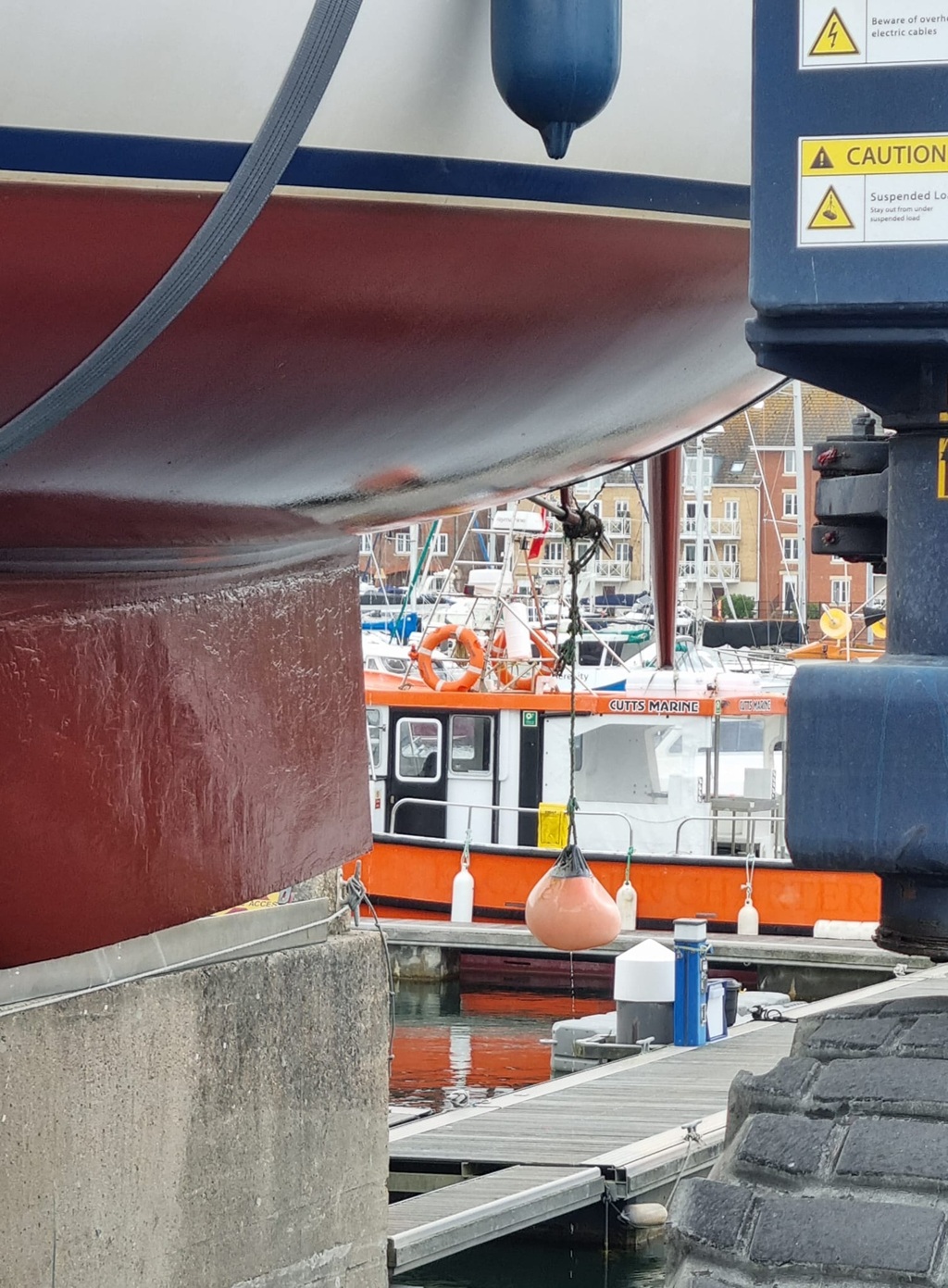
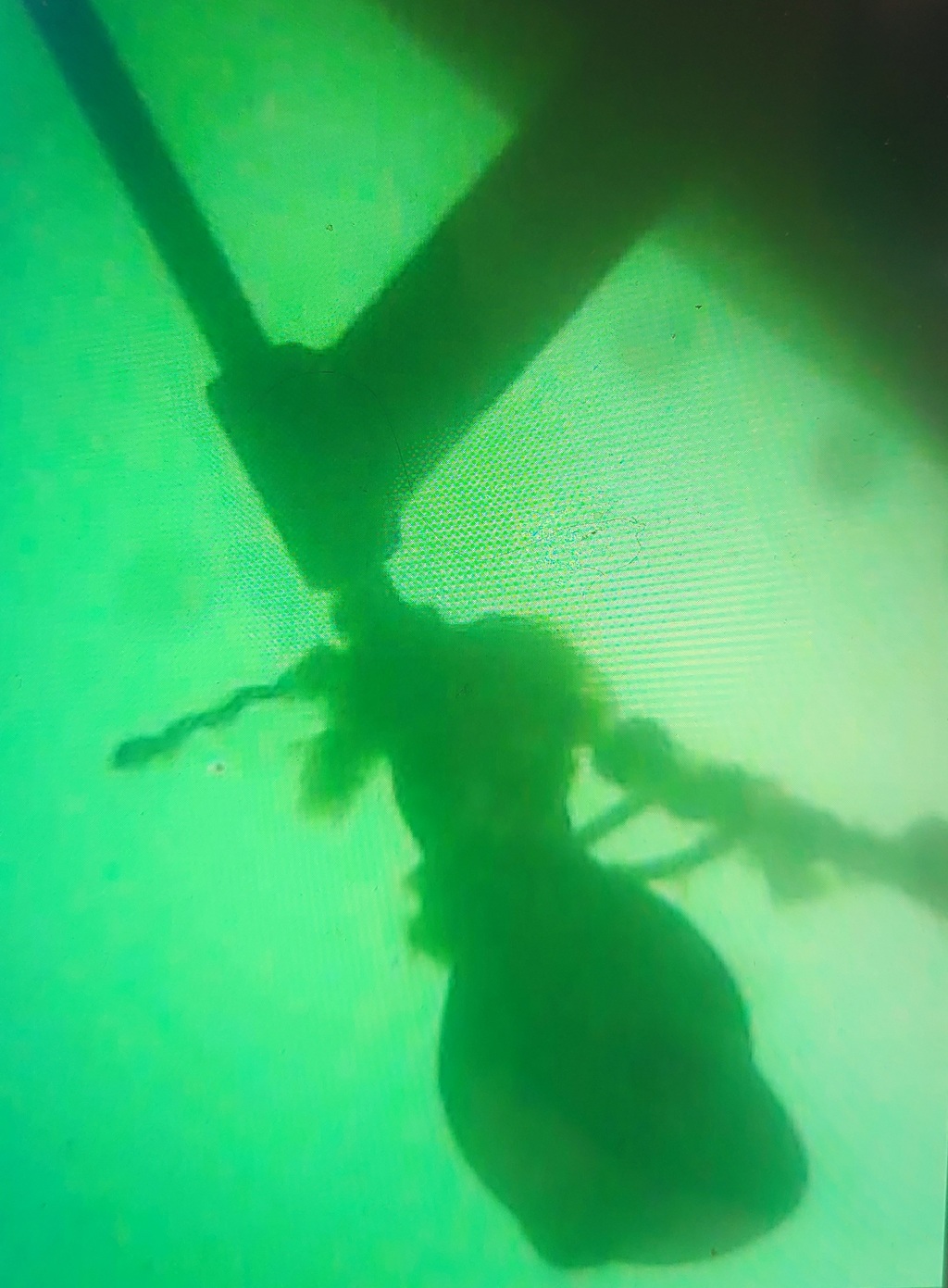
The Versluis' Westerly Oceanranger lifted out with the buoy and rope still around their propeller and an underwater view.
Gerard and Gina Versluis were sailing from Dunkirk to Eastbourne in their Westerly Oceanranger, Ginger, when a 1-inch-thick floating line from a lobster pot became wrapped around the propeller.
They were motoring at the time, as there was little wind and visibility was good.
Despite keeping a good lookout the worst happened. The couple went below and checked for water ingress or any other damage; thankfully, there was none. But they were concerned about the propeller. The conditions were too dangerous to go over the side so a Pan-Pan was put into Dover Coastguard, which deployed the volunteer crew of Dungeness RNLI.
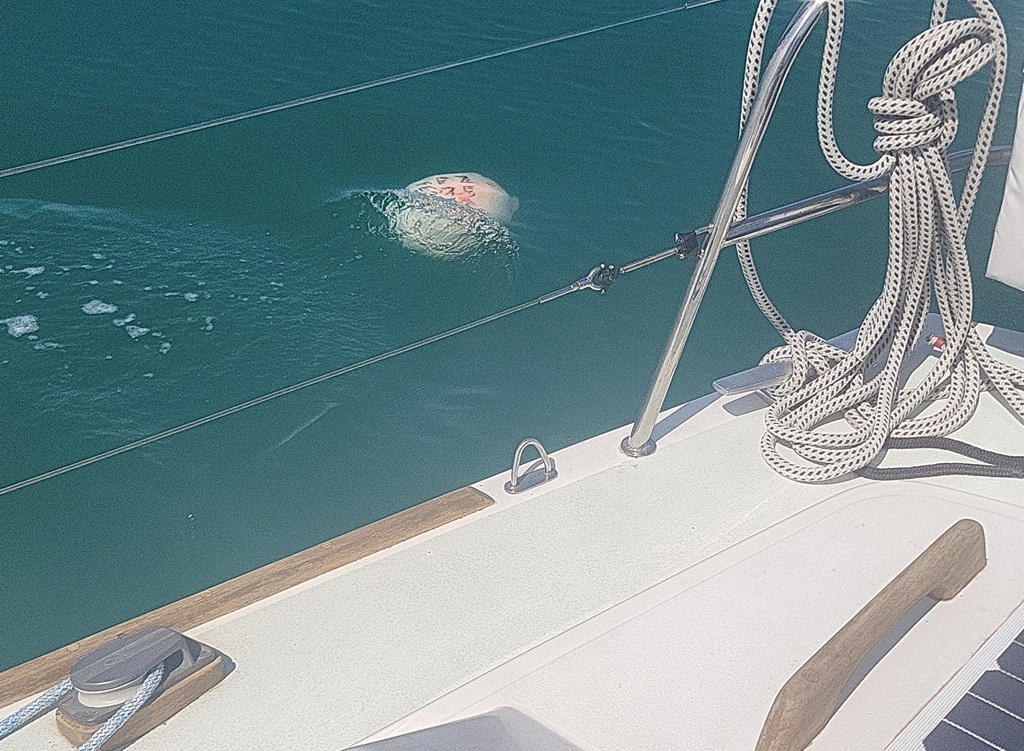
Many of the small buoys marking lobster pots were being pushed down under the water by the tide, making them impossible to see; the line wrapped around Ginger’s prop.
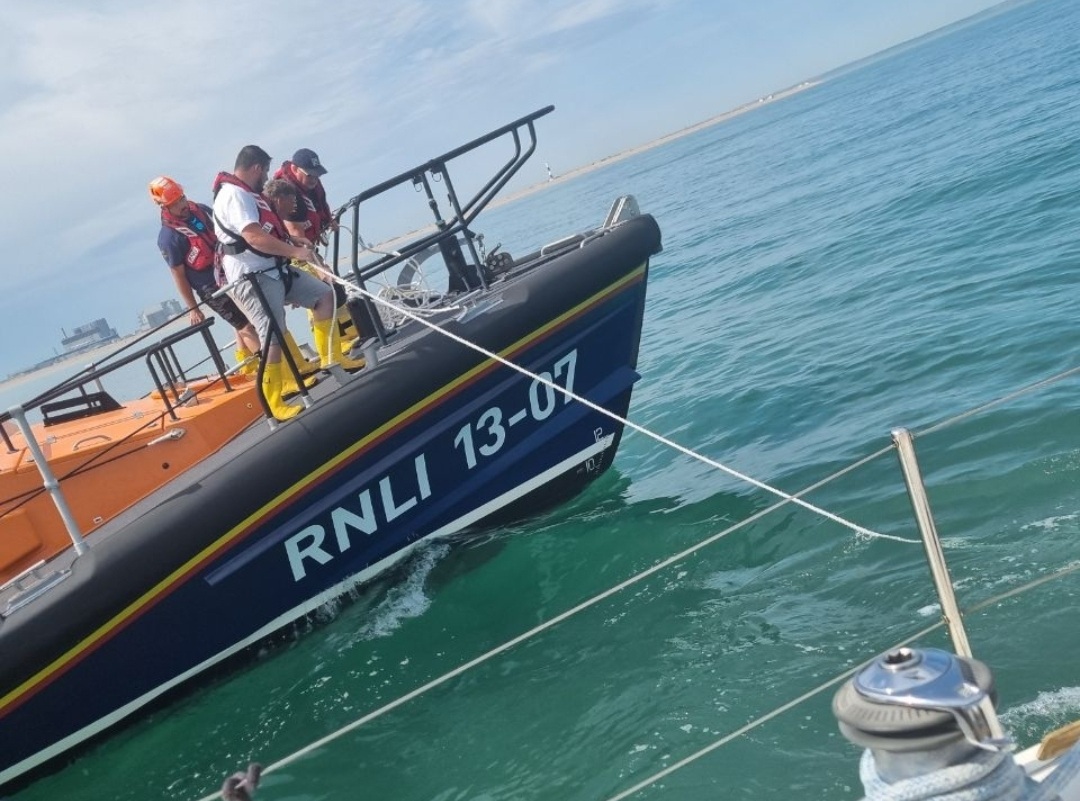
The RNLI crew locate the offending line wrapped around Ginger’s propeller.
Ginger’s engine has no rope cutter and the lifeboat crew spent 15 minutes cutting through the rope to free the yacht, but the propeller was still entangled. With no propulsion and no wind, the RNLI towed Ginger into Eastbourne, where the boat was lifted out; the P-bracket was slightly damaged and later repaired back in the Netherlands, costing Gerard and Gina €1,500/£1,280.
“I really do not think a rope cutter would have helped in this situation as the line that wrapped around our propeller was 1-inch thick and the engine stalled almost immediately,” said Gerard.
“In future, we will sail further away from the UK mainland to avoid the lobster pots. These lobster pots need to be properly marked, with a flag or a dan buoy so they can be easily seen. We have reported the incident and filled out an RYA Fishing Gear Incident Reporting Form and we are supporting the CA’s Lobster Pot campaign as change needs to happen,” said Gerard.
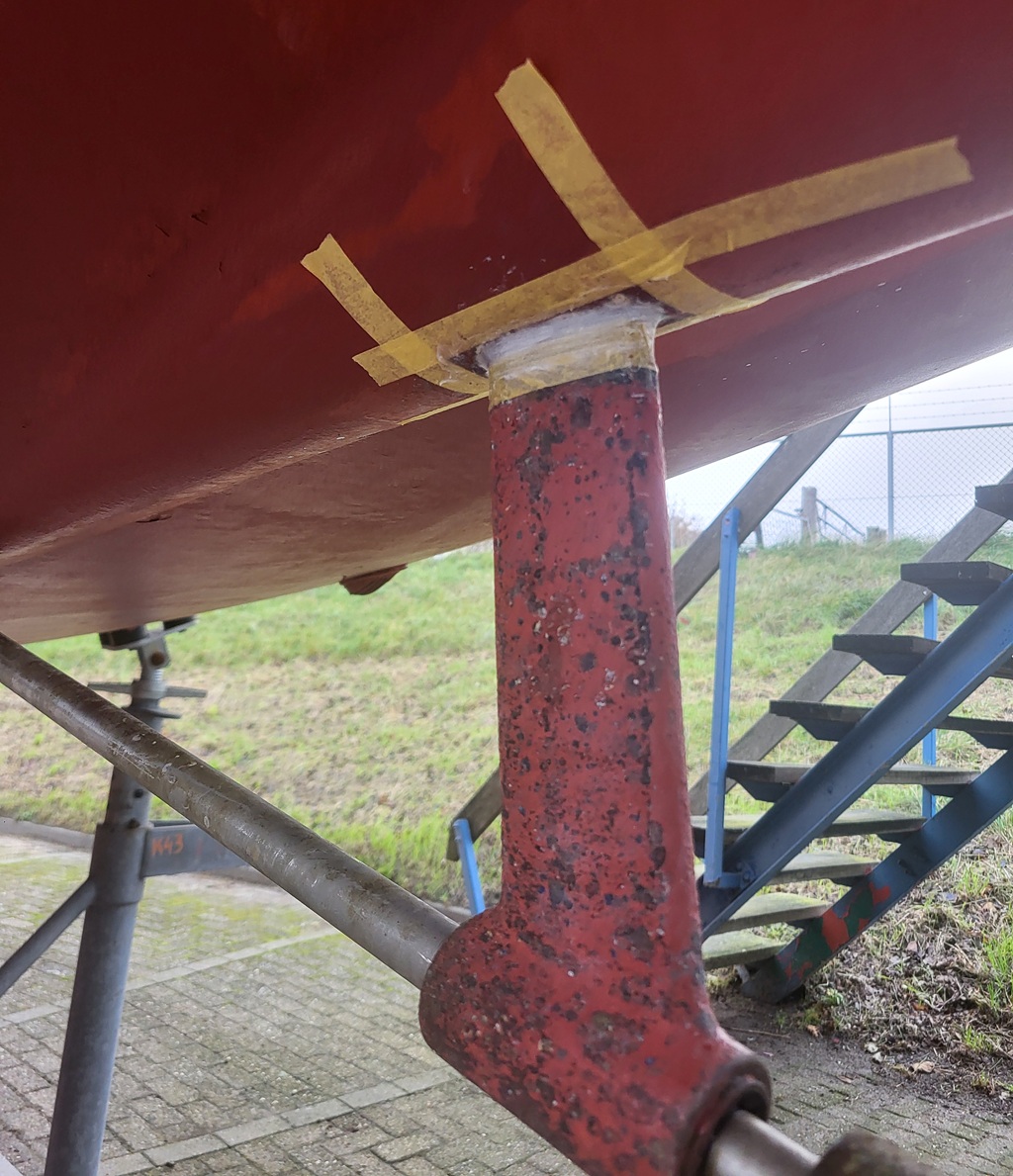
The repairs to Ginger’s P bracket.
What can you do?
To effect change, the Marked Gear = Safe Gear campaign needs to document the scale of the problem with static fishing gear entanglement and its impact on safe navigation.
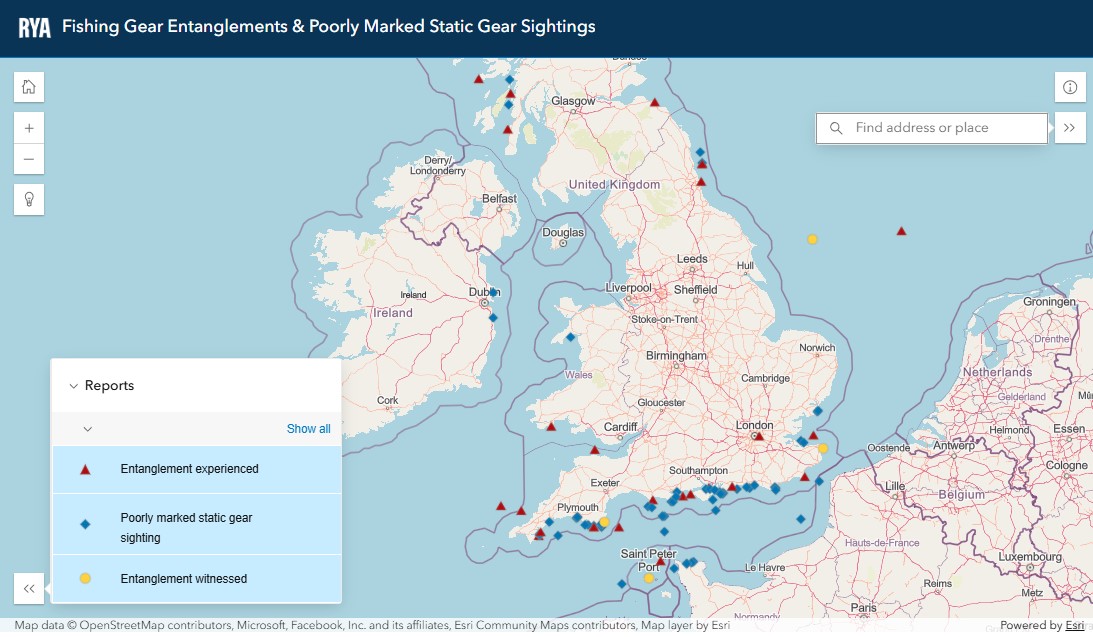
Boaters and sailors are encouraged to use the RYA Fishing Gear Incident Reporting Form to report all sightings of unmarked, poorly marked or lost static fishing gear, including lobster pots and creels, and any cases of entanglement, whether you were directly involved, witnessed an incident or are reporting an incident that occurred over the last year. You can also view an interactive map of reports submitted since September 2025, demonstrating how every report helps build a clearer picture of the problem.
You can read this and other case studies on the Lobster Pot Campaign website.
Share your experience
Photos, stories, and firsthand accounts are vital in raising awareness and driving change. If you have encountered poorly marked fishing gear or experienced an entanglement and would like to submit a case study, or you have photographs of poorly marked gear or entanglements that the Cruising Association can use, please email lobsterpots@theca.org.uk.
Find out more about the CA Lobster Pot campaign.
Text: courtesy of Practical Boat Owner, Gerard and Gina Versluis
Images: © Gerard Versluis